
Summary
Today’s senior living residents are looking for more than activities calendars and scheduled events. They want opportunities to stay active, build relationships, maintain routines and continue engaging with the world around them. At Atria, events and programs focus on connection, wellness and personalized experiences that help residents feel supported and involved in daily community life.
“The sweet spot is when residents aren’t just participating, but actively helping others feel comfortable and engaged.”
For Justin Guest, Vice President of Engage Life at Atria Senior Living, that idea sits at the center of community life.
The goal isn’t simply to keep residents busy. It’s to help people feel connected to the community around them – and that connection begins the moment someone moves in.
That connection can shape nearly every part of the resident experience, from how quickly someone adjusts after a move to how comfortable they feel joining programs, building friendships or maintaining healthy routines.
Justin says resident satisfaction often comes back to a few fundamentals done exceptionally well.
“It’s back to the basics,” he says. “How can we provide the key features expected from senior living but with a high degree of excellence?”
That includes thoughtful dining experiences, wellness programs, memory care that supports the whole family, personalized support and opportunities for genuine social connection.
“When those fundamentals are strong, residents notice, and satisfaction follows.”
How senior living communities help residents feel connected
Moving into senior living often introduces residents to new routines, new neighbors and new opportunities for connection. Even for older adults who are excited about the move, building those relationships takes time.
Justin says communities focus heavily on helping residents connect during their first few months.
Engage Life® teams hold one-on-one “connect conversations” during a resident’s first 90 days. These 30-to-45-minute check-ins help teams understand how residents are adjusting and what kinds of experiences help them feel more comfortable and connected. Monthly meetings also give residents regular opportunities to share feedback and help shape community life.
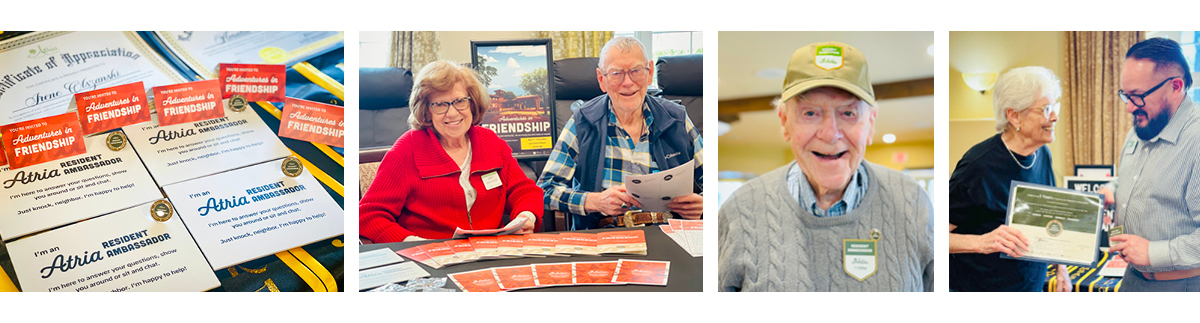
The Resident Ambassador program also helps newer residents build relationships more naturally.
“Current residents welcome new neighbors, easing the transition and helping them feel at home,” Justin explains.
That kind of peer support can make a real difference for someone navigating a major life change.
What do senior living activities actually look like today?
For many people, the phrase “activities program” still brings outdated stereotypes to mind.
Modern senior living programs at Atria look very different.
Today’s older adults are often looking for ways to stay physically active, mentally sharp and socially connected. That may mean joining a strength and balance class, participating in a volunteer program, attending a lecture or simply gathering with a small group of friends for coffee each morning.
Justin says wellness expectations have shifted significantly in recent years.
“Today’s residents are deeply mindful of their health,” he says. “They expect to stay active and protect their independence.”
That has led to growing interest in:
- Fall prevention programs
- Strength-building classes
- Physical and occupational therapy
- Mindfulness and cognitive wellness
- Nutrition-focused dining options
Importantly, participation isn’t limited to large group events.
“Not everyone thrives in big groups,” Justin says. “Some prefer a quiet tea after breakfast with a few friends, and we see that as just as valuable.”
That individualized approach is increasingly important as families look for communities that treat residents as individuals rather than trying to fit everyone into the same routine.
How wellness programs support independence in senior living
Wellness programs today extend far beyond exercise classes.
Families increasingly want communities that support the whole person, including physical health, emotional well-being, social connection and continued purpose.
Justin points to several programs residents consistently respond positively to.
One is Atria’s Better Balance program, which focuses on fall prevention and helping residents feel more confident moving throughout the community.
Another is Holiday Hustle, a seasonal wellness challenge designed to help residents set new goals and re-engage with their health in an approachable, motivating way.
Volunteer opportunities also play an important role.
“Our residents are not done doing good,” Justin says.
Volunteer programs help residents stay connected to the broader community through partnerships with schools, first responders and local organizations.
For many older adults, maintaining a sense of purpose is just as important as maintaining physical health.
Inclusivity is also central to how Atria approaches events and programs. Communities design their calendars around actual resident interests, drawing on surveys and conversations to offer a mix of cultural, social and spiritual opportunities. That might mean book clubs, holiday observances or interfaith programs. The goal, Justin says, is to make sure every resident sees themselves reflected in the life of the community.
What role do families play in resident life?
Families remain an important part of community life once a resident settles in.
Justin says communities increasingly look for ways to involve children, grandchildren and extended family in programs, wellness opportunities and everyday routines. That involvement can help residents feel more supported and connected after move-in.
To make that easier, Atria is rolling out a new way for families to view upcoming events and programs at their community. The goal is to help relatives stay connected to daily life, plan visits around activities and better understand how residents are spending their time.
That involvement becomes even more important in Atria’s Life Guidance® memory care neighborhoods.
Relatives and close friends often provide valuable insight into a resident’s preferences, routines and personal history. That information helps teams create more personalized experiences and stronger daily support.
For families evaluating senior living options, that collaboration can be one of the more important questions to ask during the search process:
- How are families included in programs and daily life?
- What wellness programs are offered?
- What opportunities exist for social connection?
The answers can reveal a great deal about the resident experience.
How resident feedback shapes community life
Community life is not static.
Strong communities continue adapting based on resident feedback, participation and changing interests.
Justin says feedback comes from many places, including Resident Council meetings, Resident Ambassador check-ins, surveys and one-on-one conversations. Those conversations help communities refine programs over time and better understand what residents truly value.
“We look at both numbers and stories,” Justin says. “Attendance and participation rates tell us what’s popular, while feedback from residents after classes or events shows us what’s meaningful.”
That distinction matters. A full calendar alone does not necessarily create connection; what matters more is whether residents feel seen, included and supported in ways that fit their individual personalities and interests.
What families should look for when touring senior living communities
When families tour senior living communities, it can help to look beyond amenities alone.
Pay attention to:
- Whether residents appear socially connected
- How employees interact with residents
- Whether programs feel personalized
- If wellness offerings support different ability levels
- How the community supports new residents during the transition
Strong communities create opportunities for residents to continue building relationships, maintaining independence and shaping routines that feel familiar and fulfilling.
At its best, a strong sense of community helps a place feel less like a facility and more like somewhere people genuinely know one another.
Explore senior living communities where residents stay connected
A strong senior living experience is about more than services and amenities. It’s also about whether residents feel welcomed, involved and connected to the people around them.
When touring communities, look closely at daily life. Do residents seem genuinely comfortable with one another? Do employees know residents by name? Are there opportunities for both larger group programs and quieter moments of connection?
Those day-to-day interactions often reveal more about a community than any amenity list.
Explore Atria communities nearby where residents stay connected and involved.
You might also like
Want to learn more about life at Atria Senior Living?
